
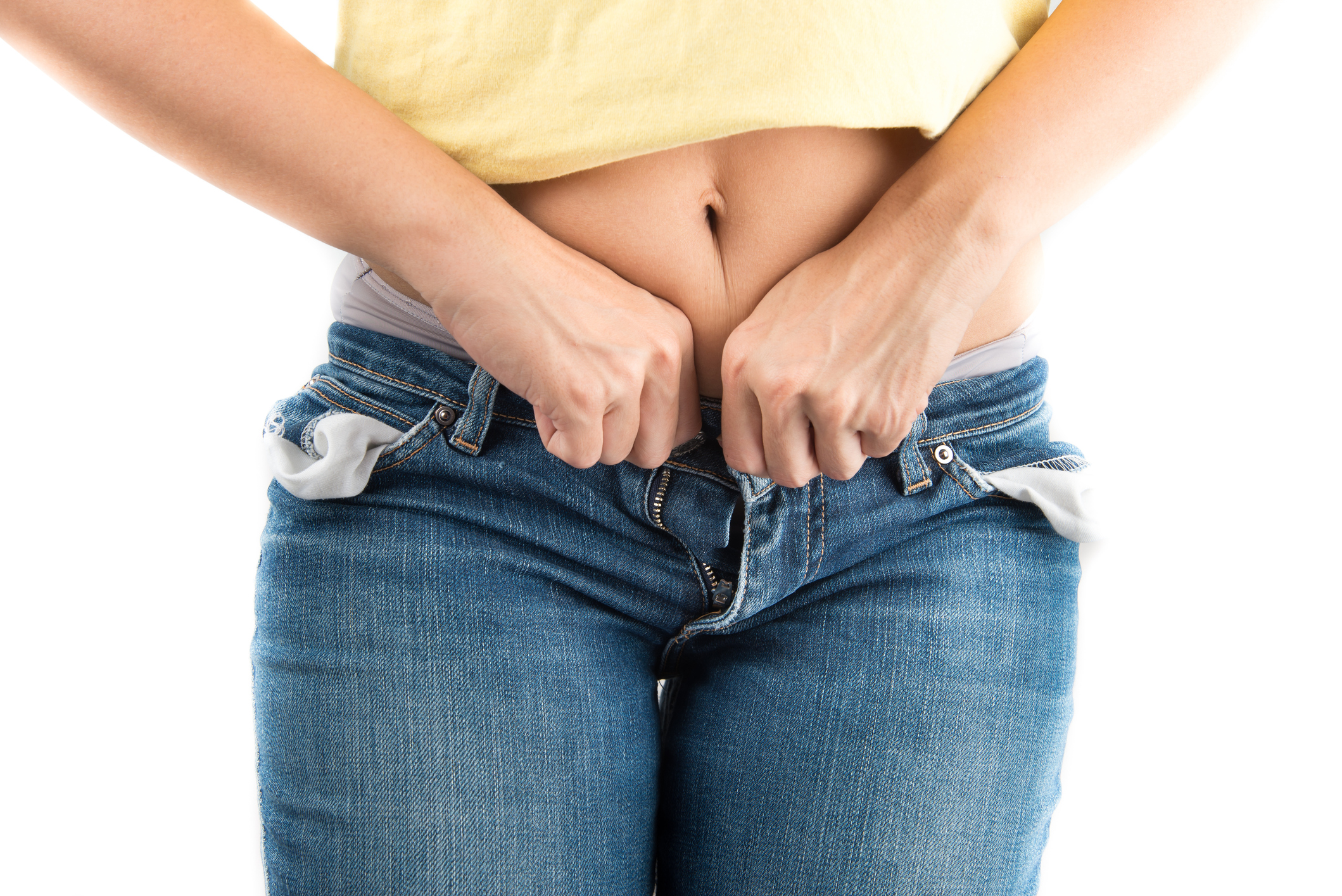
Few things can derail your day quite like a bloated belly. For many women navigating the hormonal shifts of perimenopause, digestive discomfort and stubborn weight gain have become all-too-familiar companions. Beyond the physical pressure, bloating can quietly chip away at your confidence, making even your favorite outfits look and feel uncomfortable.
The good news? You are not alone, and there are plenty of lifestyle changes and effective strategies to help beat the bloat and get you back to feeling like yourself again—both inside and out.
What Exactly is Stomach Bloating?
Bloating is a digestive symptom that manifests as a tight and full feeling in your belly. While it’s often caused by gas, various other factors can contribute to bloating, including:
- Increased gas production from the bacterial fermentation of undigested food
- Impaired gas transit
- Dysfunctional abdominal wall musculature
- Heightened sensitivity of the gut to normal gas volumes
- Constipation
- Delayed stomach emptying, otherwise known as gastroparesis
- Uterine or ovary problems
- Fluctuating hormone levels
What Causes Bloating During Perimenopause?
During perimenopause, bloating can arise from a combination of hormonal, physiological, and lifestyle factors. One of the most significant contributors is the fluctuation in estrogen and progesterone levels, which can disrupt normal digestion. These hormonal shifts often lead to water retention and increased gas production, both of which contribute to a bloated sensation.
In addition to hormonal changes, chronic stress plays a major role. Elevated levels of cortisol—the body’s primary stress hormone—not only interfere with digestion but also promote the accumulation of visceral fat around the abdomen. This type of fat is metabolically active and can further disrupt hormonal balance, creating a cycle that intensifies bloating and other perimenopausal symptoms.
As women age, some may also experience a weakening or loosening of the abdominal wall, which can make bloating more noticeable and uncomfortable. This is particularly common among women who have gone through pregnancy or are overweight.
How Can I Relieve Bloating During Perimenopause?
The good news is that you don’t have to simply accept bloating as another unwelcome part of midlife. While you can’t control the hormonal fluctuations that contribute to it, you can make simple changes to your diet and daily habits that may help ease discomfort, support digestion, and keep that perpetually “too full” feeling at bay. Here are five changes worth trying:
Diet Changes: Trying a Low-FODMAP Diet for IBS Symptoms
Foods containing certain carbohydrates known as FODMAPs (fermentable oligosaccharides, disaccharides, monosaccharides, and polyols) can cause gas and bloating. Women with irritable bowel syndrome (IBS) may particularly benefit from limiting these foods in their diet to alleviate digestive symptoms.
Examples of foods high in FODMAPs include:
- Wheat
- Onions
- Garlic
- Beans
- Lentils
- Dairy products like milk, yogurt, and ice cream
- High-fructose fruits like apples and pears
- Foods high in sugar alcohols and polyols like apricots, nectarines, plums, and cauliflower, as well as sugar-free products like gum or candies
In addition to avoiding certain foods, a high-fiber diet can help reduce bloating if constipation is the cause. Increasing your intake of fruits, vegetables, and whole grains can boost your fiber intake. However, it’s important to gradually increase your fiber intake and drink plenty of water as you consume more fiber. This is because your body needs time to adjust to the higher fiber levels, and a rapid increase can cause digestive discomfort.
Drinking More Water and Avoiding Carbonated Beverages
Drinking more water and avoiding carbonated drinks or those sweetened with fructose or sorbitol is always a smart decision. Carbonated beverages, such as colas and sparkling water, create gas in the digestive system, which can result in bloating.
The way you drink your beverages also matters. Drinking from a straw can introduce extra air, which leads to gas. To reduce the risk of bloating, it’s best to drink water without a straw. Additionally, experts suggest consuming liquids at room temperature, rather than hot or cold, to help reduce bloating.
Eating Slower to Prevent Indigestion and Trapped Air
Eating too fast not only can cause indigestion but can also cause bloating. Try chewing about 20 to 25 times per bite to help slow down your eating and help with digestion. Also, be sure not to eat portions that are too large at meals. Smaller, more frequent meals will allow your body plenty of time to digest food so it doesn’t sit and potentially ferment in the gut, causing gas and bloating.
Staying Active with Regular Exercise to Promote Gas Transit
Exercise can help reduce bloating by promoting gas transit through your body. Moving more will help you pass gas, which will help relieve pressure in your belly and reduce bloating. Therefore, try to move at least 30 minutes every day in some way or another, or more, if you wish to use exercise as part of a weight loss regimen.
Over-the-Counter Digestive Enzyme Supplements for Lactose Intolerance
If you frequently experience gas and bloating after consuming milk products or certain vegetables, digestive enzyme supplements may be beneficial. Gas and bloating after consuming milk products could indicate lactose intolerance, which is an inability to digest the milk sugar lactose. In such cases, taking a lactase enzyme supplement may alleviate these symptoms.
Similarly, if you find you get gas from eating cruciferous vegetables like broccoli, Brussel sprouts, or beans, there are over-the-counter supplements that will help break down the complex carbohydrates found in these foods and thereby reduce your gas and bloating.
Bottom Line
Bloating is a frequent concern for women going through perimenopause, often leading to physical discomfort and a heightened self-awareness about their appearance. Fortunately, no matter the underlying cause, it’s reassuring to know that there are effective ways to alleviate bloating.
Adjusting your diet and lifestyle can help many women reduce bloating. In some cases, bloating may result from issues like IBS, food intolerances, or consuming gas-producing foods. Identifying and avoiding specific trigger foods can often alleviate symptoms. However, if these changes don’t bring relief, it’s important to consult your healthcare provider to rule out any underlying medical conditions that could be the cause of your bloating.
Staci Gulbin, MS, MEd, RD, LDN, is a registered dietitian, freelance writer and health editor. Staci Gulbin has been a registered dietitian with the Commission on Dietetic Registration since 2010 and has over a decade of experience in the nutrition and dietetics industry. She has graduate degrees in Biology, Human Nutrition, and Nutrition and Education from New York University, the Columbia University Institute of Human Nutrition, and Teacher’s College, Columbia University.
Disclaimer: The content of this article is for informational purposes only. The content is not intended to be a substitute for professional medical, mental health, nutrition, or fitness advice, diagnosis, or treatment. Always seek the advice of your physician or other qualified health provider with any question you may have regarding a medical condition. If you think you may have a medical emergency, call your doctor or 911 immediately. Reliance on information presented on this site is at your own risk. This site contains the opinions and views of others and does not represent the opinions and views of The Peri-Winkle Wellness Group, LLC.