
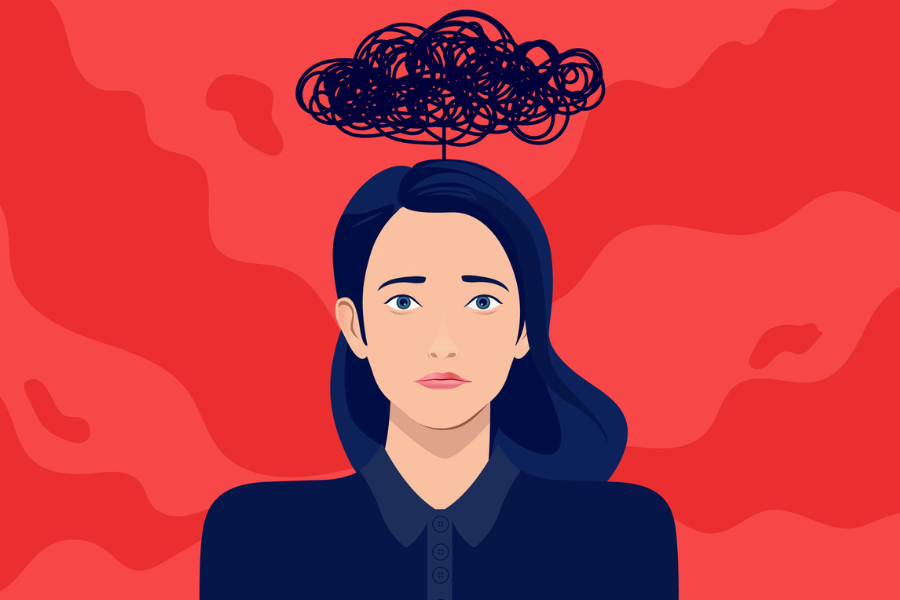
Many people worry about what aging might mean for their memory. In my clinic, I frequently see women in midlife who fear that their forgetfulness could be an early sign of Alzheimer’s disease, the most common form of dementia. Memory lapses, difficulty finding the right words, and persistent brain fog can be unsettling, leaving women wondering whether these changes are a normal part of aging, a symptom of perimenopause, or something more serious.
Fortunately, occasional forgetfulness, such as misplacing your keys or forgetting your shopping list is usually a normal and harmless part of aging. Understanding the differences between normal aging, perimenopausal brain fog, and Alzheimer’s disease can help ease unnecessary worry. Below, we’ll explore what Alzheimer’s disease is and how it differs from the cognitive changes many women experience during perimenopause and the aging process.
Estrogen & Cognitive Function
In recent years, growing scientific attention has focused on the role of estrogen in cognitive function. This interest stems in part from the high prevalence of dementia and the fact that women are affected more often than men. Alzheimer’s disease impacts approximately 5% of women in the United States over age 60, and the prevalence rises to nearly 28% after age 85.
Estrogen appears to play an important role in brain health. The brain contains estrogen receptors, particularly in the hippocampus—the region responsible for memory formation and learning. Estrogen also supports the activity of neurons, influencing how brain cells function and communicate with one another.
During perimenopause, many women experience bothersome memory changes, including forgetfulness, word-finding difficulties, and “brain fog.” While some may wonder if estrogen therapy could help, studies to date have shown no clear cognitive benefit. Current guidelines do not recommend estrogen replacement to preserve memory or prevent cognitive decline in older women.
Is It Brain Fog or Something More Serious?
Brain fog during perimenopause often feels like slowed thinking, “stuck” thoughts, or a general sense of mental delay. You might find yourself misplacing keys, forgetting a phone number, or blanking out mid-sentence. These small, everyday lapses are a normal part of aging and do not signal dementia or permanent cognitive decline. In fact, Alzheimer’s disease rarely begins before age 60, making these midlife memory blips largely benign.
The good news is that brain fog and other perimenopausal symptoms usually improve over time. Just like hot flashes, night sweats, or sleep disturbances, these cognitive changes tend to ease as the body adapts to fluctuating and declining hormone levels. Additionally, research shows that experiencing brain fog during perimenopause does not increase a woman’s risk of developing Alzheimer’s disease down the road.
Understanding Alzheimer’s Disease
Dementia is a chronic, degenerative brain disease that impairs a person’s ability to function in daily life. Alzheimer’s disease is the most common type of dementia, though there are other forms, including Lewy body dementia, vascular dementia, and frontotemporal dementia. These other types are less common, with Alzheimer’s dementia being the most frequently diagnosed. Alzheimer’s disease almost always develops after age 60, except in rare genetic cases where it can begin earlier.
Memory impairment is the most common symptom of Alzheimer’s disease, but it affects different types of memory in a specific pattern. Episodic memory, or the ability to recall recent events, is usually the first to decline. Memory for facts, such as vocabulary and general knowledge, tends to be affected later. In contrast, procedural memory, knowing how to perform tasks, and motor memory, knowing how to carry out movements, typically remain intact until the later stages of the disease.
People with Alzheimer’s disease often struggle to remember recent events but still recall long-term memories, such as their childhood or where they grew up. In the early stages, the disease is called mild cognitive impairment, as the deficits don’t impair daily life. However, as the disease progresses to Alzheimer’s, memory loss becomes severe enough to disrupt normal functioning.
Preventative Tips
Although estrogen therapy has not been shown to prevent Alzheimer’s disease, there are steps we can take to lower our risk of dementia and support healthy aging. These include:
- Eating a balanced Mediterranean diet rich in fruits, vegetables, legumes, nuts, fish, and olive oil
- Avoiding foods high in sugar and processed fats
- Taking steps to make sure cholesterol and blood sugar levels are under control reduces the risk of cardiovascular disease and stroke, thereby reducing the risk of vascular dementia
- Exercising for at least 30 minutes a day, three times a week
- Learning new skills, such as a language or a musical instrument, or regularly engaging in memory-building activities like puzzles or Sudoku, can strengthen the brain and build resilience against cognitive decline
Closing Thoughts
Cognitive changes such as forgetfulness and brain fog are common during perimenopause and are most often related to fluctuating estrogen levels rather than the onset of dementia. Although estrogen plays a vital role in brain function, current research does not support the use of hormone therapy as a way to prevent or treat dementia. Instead, the most effective strategies for protecting your brain are the same healthy habits that support overall well-being.
Regular exercise, a nutritious diet, quality sleep, stress management, and mentally stimulating activities can all help support brain function and promote healthy aging. By focusing on these evidence-based strategies, women can nurture their cognitive well-being, reduce unnecessary worry, and navigate midlife with greater confidence and peace of mind.
Dr. Yasmin Aghajan is a neurologist based in Boston, Massachusetts. She earned her medical degree (MD) from the University of California, San Diego, where she also completed her medical internship. She is interested in disorders of the brain, including stroke, neurocritical care, and certain types of dementia, and currently sees a wide variety of neurologic disorders or neurologic issues in her patients.
Disclaimer: This article is for informational purposes only, even if and regardless of whether it features the advice of physicians and medical practitioners. This article is not, nor is it intended to be, a substitute for professional medical advice, diagnosis, or treatment, and should never be relied upon for specific medical advice. The views expressed in this article are the views of the expert and do not necessarily represent the views of The Peri-Winkle Wellness Blog.