
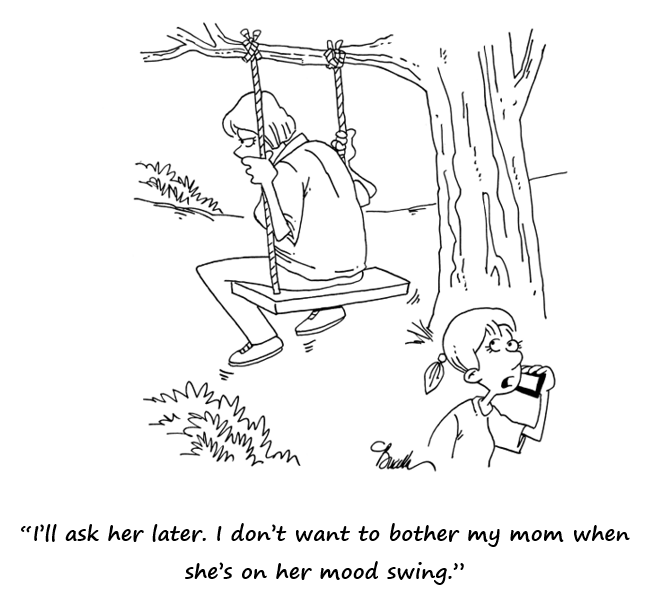
One moment, you’re fine—you’re calm, cool, and collected. Then, as if aliens have abducted your body, you’re in a rage! What just happened? Who am I? There must be something wrong with me!
I hear this a lot in my private practice from women struggling through the change of life celebrated as menopause. I’ve experienced it myself, and in spite of its many challenges, I use the word “celebrated” because this can be a time of celebration. Think about it. In menopause, women no longer get their monthly period, they don’t have to worry about getting pregnant anymore, and for many women, it’s a time of great renewal.
But to get there, women must first get through perimenopause, an incredibly intense and unexpected leg of the journey that can leave many women questioning their sanity, and here’s why.
The Unexpected Emotional Impact of Perimenopause
While the average age of menopause in the United States is 51, perimenopause typically starts in the 40s, even as early as the mid-30s, and can last up to 10 years. Peri simply means around menopause. During this time, the body is transitioning into menopause, resulting in a decrease in estrogen and other hormones that lead to the many unexpected symptoms women may experience.
As hormone levels drop, our periods become more sporadic and PMS symptoms can worsen. Because most women associate the menopausal transition with hot flashes and night sweats, they are often caught off guard by its emotional impact, such as:
- Feelings of Sadness
- Lack of Motivation
- Anxiety, Panic, and Feelings of Doom
- Irritability
- Intense Rage
- Poor Concentration
- Mood Swings
Changing Hormones, Changing Moods: The Estrogen Rollercoaster
Changing levels of estrogen are the main reason you’re on what feels like an emotional rollercoaster. Estrogen affects the brain’s serotonin levels, and as it decreases, so does our serotonin—a neurotransmitter that is a mood regulator and happiness booster. As a result, many women experience increased mood swings that can quickly escalate from sadness to intense rage. You may be happy to hear that this does not mean you’re going crazy. You’re also not alone. Research from The Menopause Society found that close to 23 percent of women report mood swings during the menopausal transition, and a whopping 70 percent report irritability.
In addition, one out of five women report depression during perimenopause, and 40-50 percent report insomnia, which can worsen one’s mood swings and irritability. Anxiety can either increase during perimenopause or show up for the first time. You might feel restless, easily overwhelmed, and a constant sense of doom. When those feelings intensify, it can feel like you can’t breathe; your palms become sweaty, your chest tightens, and your heart pounds, all of which are the classic symptoms of a panic attack.
How Stress and Unprocessed Trauma Heighten Midlife Anxiety
I’ve also seen women with unprocessed trauma or unresolved emotional issues from their past have heightened symptoms of anxiety, depression, and rage during perimenopause. Unresolved issues can contribute to additional stress on the body. Chances are you probably already have stress in your life, and although it may have been more manageable before, during perimenopause it’s harder to regulate stress due to a decrease in serotonin and the compounded strain on your adrenal glands, which can result in adrenal fatigue.
Other contributing factors that intensify symptoms during perimenopause are a poor support system, high relationship conflict, unhappiness at work, and an earlier history of bad PMS. An overabundance of stress on the system leaves women more vulnerable to mood swings, so it’s important to be aware of this as you move through perimenopause. The more aware you are, the more proactive you can be to address these issues and get the help you need.
10 Expert Tips to Manage Perimenopause Mood Swings
Self-care and stress management are essential during this time of life. If you don’t already have a good self-care practice, now is the time to start. Here are some useful recommendations for managing the transition from perimenopause into menopause:
1. Have a good relaxation routine before bed. Use aromatherapy oils, drink chamomile tea, or do sleep yoga nightly (yoga nidra) before bed. Trying to have the best sleep possible is extremely helpful.
2. Accept your mood swings and anger. Remember, you’re not alone. This is a normal part of the transition. Don’t repress your emotions; that tends to make things worse. Instead, practice self-compassion, journal, and find safe people to express your feelings.
3. Get support from professionals. Use your doctor, naturopath, nutritionist, or other health professional for support during this difficult time. The more support and care you receive, the saner you will feel.
4. Know what makes your symptoms worse. Keep a log or diary of your eating or activities that can worsen your symptoms. For example, people who use caffeine and alcohol can find that their symptoms worsen. When I gave up caffeine, I noticed my hot flashes immediately improved.
5. Exercise. It’s important to not over-exercise or under-exercise during this time. Find the right balance for what is helpful for your body. Too much exercise can stress out your adrenal glands. I recommend yoga 2-3 times per week and walking 20-30 minutes five days a week.
6. Meditate. This is a powerful tool that my clients and I swear by. Meditation changes the brain chemistry and helps with mood regulation. A good practice in meditation helps decrease our reactions to things that are setting us off. Ten minutes per day can change your life.
7. Take medication or hormone replacement therapy if recommended by your doctor. Do your research and find a trusted professional to find what is best for you. You can also consider herbal supplements as an all-natural alternative.
8. Create a solid support network of friends and family. Explain what you’re going through and ask for their support and patience. Let them know you’re sorry when you lose your cool or when aliens have abducted you.
9. Find a good, trusting therapist to work with. Therapy can help you learn how to practice self-compassion and help with relationship conflict. Therapy can also be invaluable in helping clear out the unprocessed emotions from your past that can impact your current symptoms.
10. Love yourself. Find one thing every day to be grateful for. Put yourself first, be aware of your needs, trust yourself to know your body better than anyone else, and be gentle and loving as you go through this transition.
Finding Joy & Celebration Beyond Perimenopause
Based on my personal experience and work with countless other women, I can confidently say that there is life beyond perimenopause. Even if it feels like an uphill battle, you will get through this challenging time. And on the other side, there’s a richer, more rewarding life waiting to be celebrated and enjoyed.
Lesley Goth, PsyD, has been a clinical psychologist in private practice since 2004. She is an expert in the field of Trauma, Anxiety, Depression, and Couples Counseling. Lesley is a professional blogger, writer, and speaker. She is excited to be working on her first book teaching other therapists how to be good therapists. If you’d like to read more of Lesley’s personal journey through menopause, check out: denverfamilycounselingservices.com/blog/
Disclaimer: The content of this article is for informational purposes only. The content is not intended to be a substitute for professional medical, mental health, nutrition, or fitness advice, diagnosis, or treatment. Always seek the advice of your physician or other qualified health provider with any questions you may have regarding a medical condition. If you think you may have a medical emergency, call your doctor or 911 immediately. Reliance on information presented on this site is at your own risk. This site contains the opinions and views of others and does not represent the opinions and views of The Peri-Winkle Wellness Group, LLC.